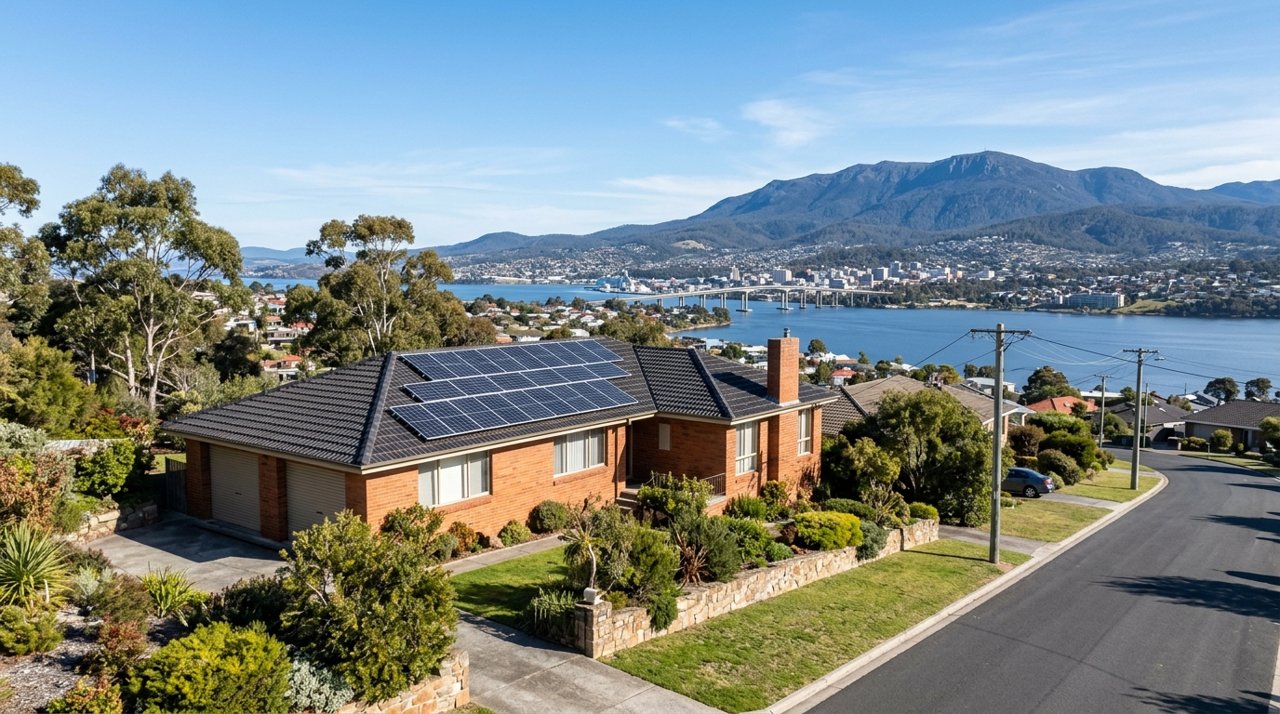
Households across Hobart’s Eastern Shore, including suburbs like Bellerive and Rosny, are now experiencing higher electricity costs following an average 4.23 per cent increase to Aurora Energy’s regulated standing offer prices. The new rates, approved by the independent Tasmanian Economic Regulator, came into effect on July 1, 2026, and will apply until June 30, 2027.
For a typical Tasmanian residential customer utilising the most common tariffs (Tariffs 31 and 41) and consuming approximately 7,254 kilowatt-hours (kWh) annually, this increase translates to an additional $108 on their yearly power bill. Customers on time-of-use Tariff 93 can expect an estimated annual increase of $113.
The Tasmanian Economic Regulator announced its final decision on June 25, 2026, stating that the primary drivers behind the price adjustment are higher network costs approved for TasNetworks and a slight rise in wholesale electricity costs. These pressures, which reflect broader trends across Australia’s energy system, including wholesale market volatility and inflationary impacts, were partially offset by a reduction in renewable energy costs.
Despite the increase, Tasmania’s electricity prices remain among the lowest or second lowest in the national market. The 4.23 per cent rise is also noted to be below Hobart’s annual inflation rate of 5.0 per cent.
In addition to the changes for standard electricity usage, solar customers will see a modest benefit. The minimum solar feed-in tariff has increased by 5.6 per cent, rising from 8.782 cents per kWh to 9.276 cents per kWh. This means eligible customers exporting excess solar electricity to the grid will receive a slightly higher credit.
Tasmanian Treasurer Eric Abetz acknowledged the cost of living challenges impacting family budgets but highlighted that household electricity prices in Tasmania have fallen in real terms over the past 12 years, meaning price movements have been lower than inflation and many other essential household costs.
Aurora Energy Chief Executive Nigel Clark assured customers that support options are available for those facing financial difficulties. These include payment plans, extensions, and the Your Energy Support program. The funding for the energy hardship fund has also been doubled from $350,000 to $700,000 to assist vulnerable households.
However, the Tasmanian Council of Social Service (TasCOSS) has expressed concern, noting this is the fifth consecutive electricity price increase for Tasmanian customers. TasCOSS CEO Ms Paula Wriedt stated that average annual bills are now $600 more than five years ago, representing a 31 per cent increase in electricity prices over that period, which is more than double the rate of inflation. Ms Wriedt also highlighted that Tasmania has the highest proportion of customers with energy debt nationally, at 5.6 per cent, almost double the national average of 3.1 per cent, according to the Australian Energy Regulator.