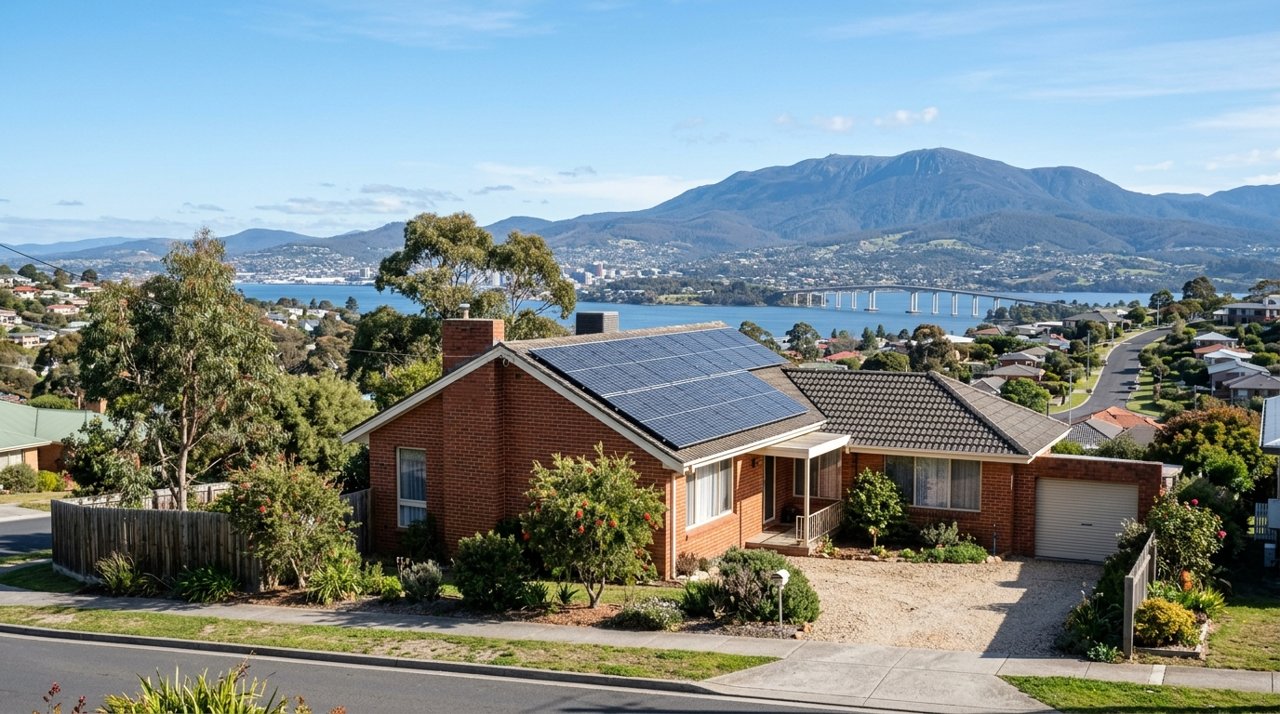
Households across Hobart’s Eastern Shore, including suburbs like Bellerive and Howrah, have seen their power bills rise since July 1, 2026, following an average 4.23 per cent increase to regulated electricity prices. This adjustment, approved by the Tasmanian Economic Regulator, is primarily driven by an uplift in network prices charged by TasNetworks.
TasNetworks, as Tasmania’s electricity distribution network service provider, is responsible for the poles and wires that deliver power to homes and businesses. Each year, TasNetworks submits an annual pricing proposal to the Australian Energy Regulator (AER) for approval, outlining the costs of maintaining and operating the network. These network charges are then passed on to customers through their electricity retailers, such as Aurora Energy.
For the 2026-27 financial year, TasNetworks’ pricing proposal was approved by the AER on April 22, 2026, with the new network prices taking effect from July 1, 2026. The Office of the Tasmanian Economic Regulator then considered these approved network charges, alongside other costs, to determine the final retail prices Tasmanians pay.
What This Means for Your Bill
A typical Tasmanian household, consuming approximately 7,254 kilowatt-hours (kWh) per year on the most common tariff, can expect to pay around $108 more annually due to this 4.23 per cent average price increase. The estimated annual network charges alone for a typical residential customer are approximately $1,011 for 2026-27, representing a 6.5 per cent increase from the previous year. Network charges account for roughly 45 per cent of an average residential electricity bill.
Understanding Network Tariffs
TasNetworks has been transitioning customers towards “cost-reflective” network tariffs, which aim to encourage more efficient use of the electricity network by pricing electricity differently based on the time of day.
For residential customers connecting to the network for the first time since July 1, 2024, the default network tariff is TAS93, a time-of-use consumption tariff. Under TAS93, peak rates apply during weekdays from 7 am to 10 am and again from 4 pm to 9 pm (Australian Eastern Standard Time). All other times, including weekends, are considered off-peak, with lower rates.
For existing customers still on older “flat rate” tariffs like TAS31 (residential general light and power) and TAS41 (heating and hot water), these tariffs were made obsolete on June 30, 2024, and are no longer available for new connections or reassignments. However, customers already on these tariffs can remain on them.
Switching to a time-of-use tariff like TAS93 can offer potential savings for households willing to shift their energy consumption to off-peak periods. For the 2025-26 financial year, TasNetworks estimated annual network charge savings of $23 for low-usage customers (around 3,569 kWh/year), $35 for medium-usage customers (around 7,834 kWh/year), and $95 for high-usage customers (around 15,303 kWh/year) when comparing TAS93 to the older flat-rate tariffs.
Other residential network tariffs available include TAS87 (residential time-of-use demand) and TAS97 (residential time-of-use consumer energy resources, for homes with solar, batteries, or electric vehicles). TAS97 includes an excess demand charge if usage exceeds 8.5 kW at any time. Understanding how these tariffs work can help households with solar and batteries optimise their energy use.
Solar Feed-in Tariffs Increase
Good news for solar households: the minimum solar feed-in tariff rates also increased from July 1, 2026, to 9.276 cents per kWh.
Government Support Available
To help ease cost-of-living pressures, the Australian Federal Government has committed to two further $75 payments (totalling $150) for residential households and small businesses over the 2025-26 financial year, which will be applied automatically to bills. Additionally, the Tasmanian Government’s 2026-27 Budget includes approximately $370 million over four years for various concessions, including electricity.
Hobart households are encouraged to review their electricity bills and consider if their current tariff best suits their energy consumption habits. More information on TasNetworks’ tariffs can be found on their website at https://www.tasnetworks.com.au/poles-and-wires/pricing/our-prices. Details on Aurora Energy’s regulated standing offer prices are available via the Tasmanian Economic Regulator’s website.