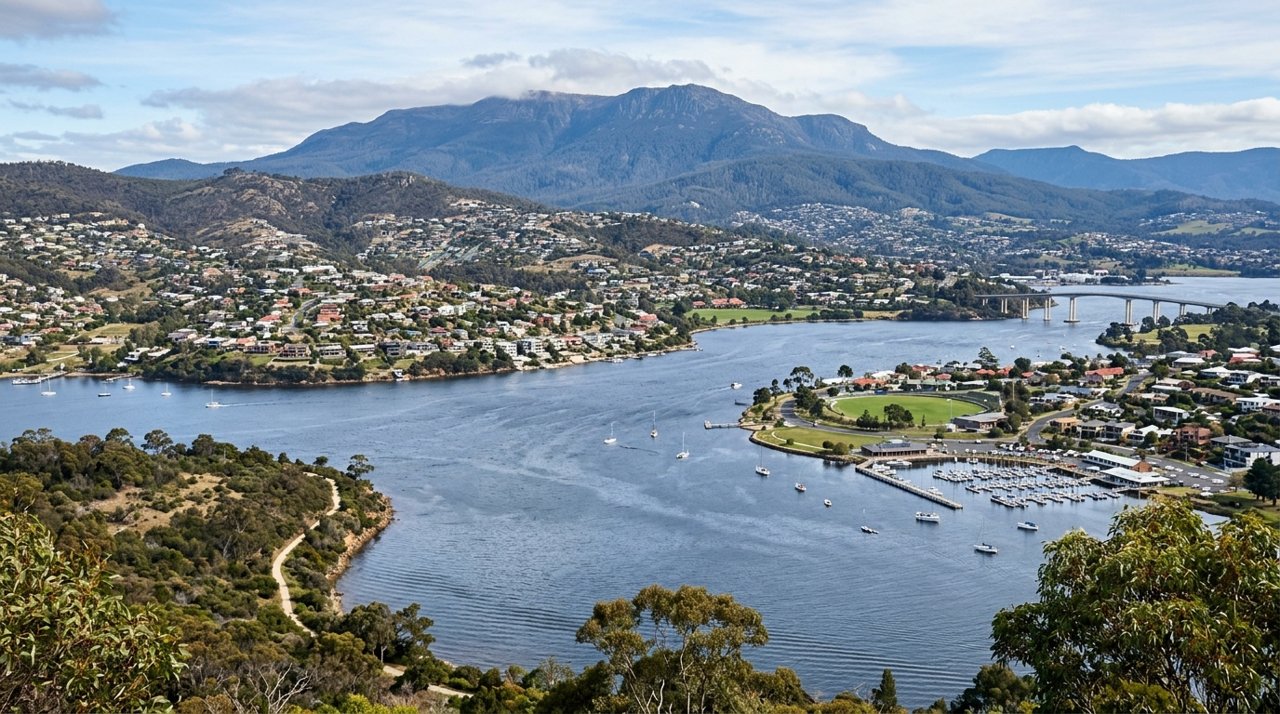
Hobart has concluded its hosting of the 70th International Whaling Commission (IWC70) meeting, which ran from September 28 to October 2, 2026, with a significant conservation proposal once again failing to gain traction. A bid to create a massive whale sanctuary in the South Atlantic was blocked by pro-whaling nations, marking a disappointing outcome for conservation advocates and the proposal’s proponents.
The sanctuary proposal, championed by Brazil, Argentina, and Uruguay, has been a persistent effort for nearly three decades, with reports indicating it has been on the agenda for 28 years. Despite widespread support for whale protection among IWC member governments, the initiative fell short of the required 75 per cent majority needed to amend the IWC’s Schedule. The vote saw 39 nations in favour and 18 against, with Iceland and new member Türkiye abstaining.
Among the countries that voted against the sanctuary were Antigua & Barbuda, Benin, Cambodia, Côte d’Ivoire, Grenada, Laos, Marshall Islands, Mauritania, Morocco, Nauru, Nicaragua, Norway, Republic of Palau, Senegal, St Kitts and Nevis, St Lucia, Suriname, and Tuvalu. Conservation groups, including the Environmental Investigation Agency (EIA) and the International Fund for Animal Welfare (IFAW), criticised these nations for continuing to obstruct the proposal. This marks the second consecutive IWC meeting where the sanctuary proposal has been defeated, having narrowly lost by a single vote at IWC69 in Peru in 2024.
The meeting in Hobart coincided with two significant anniversaries: the 80th anniversary of the IWC’s establishment and the 40th anniversary of the global moratorium on commercial whaling. While the sanctuary proposal faced a setback, ABC News reported that Brazil has vowed to never stop trying to establish the protected area.
Beyond the sanctuary debate, delegates from 63 countries addressed a range of critical issues facing whale populations. Resolutions were adopted on topics such as the global trade in fish maw and incidental catches of threatened cetaceans, vessel strikes, and cetacean strandings. The “Hobart Declaration” was also adopted by consensus, outlining the IWC’s role in the context of its 80th anniversary.
However, the IWC meeting also highlighted ongoing threats to whales, including climate change, biodiversity loss, pollution, bycatch in fisheries, and vessel collisions. An attempt by Antigua & Barbuda to re-examine the moratorium on commercial whaling was withdrawn, though efforts to pursue it through the Scientific Committee were firmly rejected by nations including New Zealand, the UK, and Mexico.
For more details, readers can refer to the original reporting by ABC News (Tasmania).